Insuring an A-Frame: What You Need to Know
Insuring an A-Frame vacation cabin or permanent home: its quirks, coverage for seasonal properties, vacancy, short-term rental, and getting the right policy.
Disclaimer: This article is for general educational purposes only and does not constitute personalised insurance advice. Policy terms and coverage vary significantly between insurers and jurisdictions. Always consult your insurer about the specific terms that apply to your property.
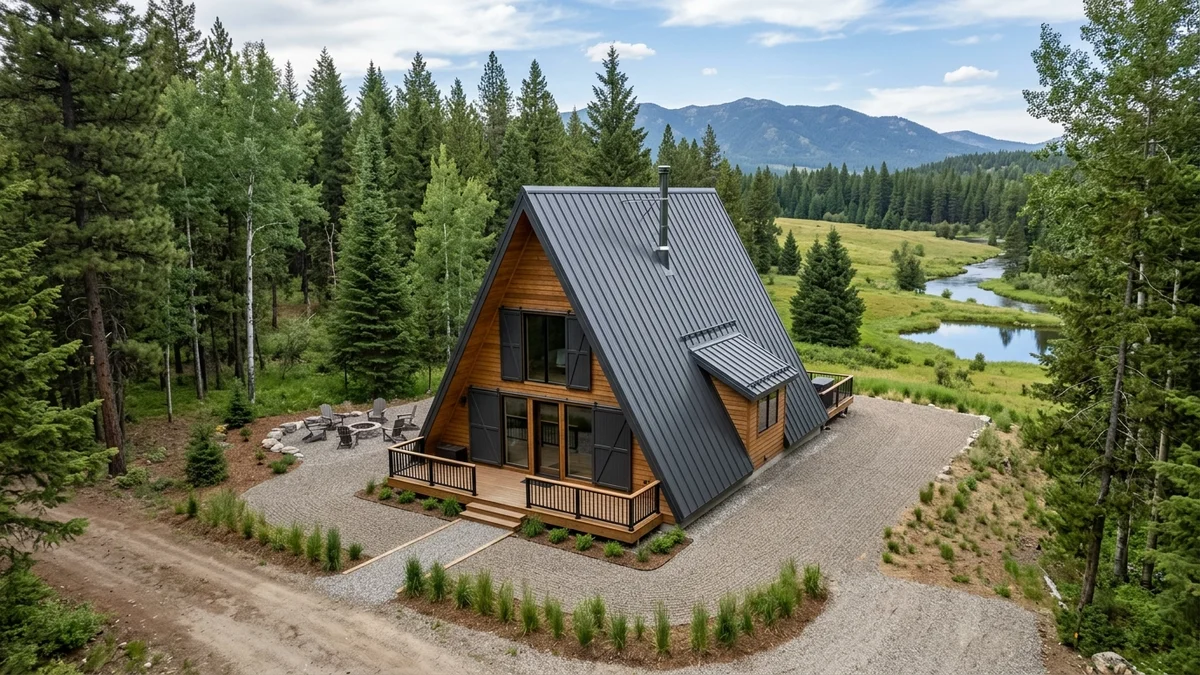
A-Frame cabins and houses present specific considerations that standard home insurance policies do not always cover adequately. A weekend retreat, a seasonal cabin, and a short-term rental property are completely different categories from an insurer's perspective, and understanding those differences can save you a costly surprise at precisely the moment you need cover most.
The Type of Property Determines the Type of Policy
Before selecting insurance, you need to clearly define how and when you use your A-Frame:
Primary residence means the property is your main address. A standard home insurance policy may be appropriate — but the insurer still needs to know it is an A-Frame construction (timber cladding, non-standard geometry), as that can affect the premium.
Weekend retreat for personal use is a property you manage yourself but do not use every day. This is the starting point for many of the vacancy-related questions below.
Seasonal cabin (active only in summer or winter, for example) presents a particular challenge — long periods of non-use are directly linked to the availability of cover.
Short-term rental (Airbnb and similar platforms) changes the legal nature of your property use to commercial activity, which standard home insurance policies almost universally exclude.
The Vacancy Problem
This is one of the most common traps for owners of seasonal A-Frame cabins. Many insurers reduce cover or void it entirely when a property is unoccupied for more than 30 to 60 days without prior notification and specific arrangements. That threshold varies between companies and local regulations.
Why is this a problem? A seasonal cabin that sits unused from October to April easily exceeds those limits. If a fire, break-in, or ice and moisture damage occurs during that period, the insurer may deny the claim — citing the vacancy clause.
Solutions exist: some companies offer an add-on rider that extends cover for vacant properties, others require regular inspections (once every 30 days) or the installation of a monitoring system. You must clarify these conditions with your insurer before signing the policy. It is also worth reviewing the seasonal maintenance guide for A-Frame cabins to understand which measures reduce the risk profile from the insurer's perspective.
Short-Term Rental Changes Everything
If you rent your A-Frame to guests through platforms like Airbnb — even only a few weekends per year — a standard home insurance policy almost certainly does not cover you during those periods.
Standard residential policies are written for properties where you live. Commercial rental activity introduces an entirely different risk profile: the possibility of guest injury, damage by unknown users, equipment theft, and third-party liability. Separate products exist for this purpose:
- STR (short-term rental) policy — designed for platform-based rentals, typically covers guest liability and damage caused by guests
- Landlord policy — more appropriate for frequent or regular letting
- Combined policy — some insurers offer hybrid cover for owners who both use and rent the property
More on the business side of A-Frame rentals is covered in the A-Frame rental business guide.
Rebuild Cost vs Market Value
One of the most important decisions when insuring is: for how much should you insure the property? The answer is not the market value — it is the full rebuild cost.
Market value incorporates land value and fluctuates with demand. Rebuild cost is the amount that would be required to reconstruct the building completely in the event of a total loss — including materials, labour, debris removal, temporary accommodation, and design fees.
For A-Frame properties, rebuild cost can exceed market value, especially for structures in more remote locations where materials and transport are more expensive. Underestimating this figure means that in the event of a total loss, you will not receive enough to rebuild. It is advisable to have this estimate prepared by a local construction professional or an insurance valuer.
Common Coverage Areas and Exclusions
Typical coverage categories in property and vacation home policies:
- Structure (building) — damage from fire, storm, lightning strike, vandalism, break-in
- Contents — furniture, appliances, personal belongings
- Liability — injury to guests or third parties on your property
- Natural hazards — flood, earthquake, and landslide are often excluded from standard policies and require separate riders
Typical exclusions to watch for:
- Damage resulting from neglect (for example, a roof left unrepaired that leaks over years)
- Wear and tear (normal material lifespan)
- Mould, unless resulting from a sudden and accidental event
- Damage occurring during a vacancy period (see above)
Permits and regulations for A-Frame structures — because an unlicensed build can create complications for insurance — are covered in the permits and regulations guide.
Scenario Overview
| Scenario | Recommended Policy Type | Key Things to Check |
|---|---|---|
| Personal use, permanent | Standard home insurance | A-Frame construction, timber cladding noted |
| Personal use, seasonal | Vacation / secondary home policy | Vacancy clause, duration limit, inspection requirements |
| Short-term rental (STR) | STR or rental property policy | Guest liability cover, guest-use contents |
| Mixed use (personal + rental) | Combined or landlord policy | Usage periods, transition conditions, liability |
Frequently Asked Questions
Does my home insurance cover my vacation A-Frame?
Generally no — standard home insurance policies are written for primary residences. A vacation home or secondary property typically requires a separate policy with terms suited to occasional use. This is especially relevant for cover during periods when the property is unoccupied. Consult your insurer about the exact terms that apply to your situation.
What happens if the cabin is empty all winter?
Depending on your policy terms, cover may be reduced or voided entirely for any period the property is unoccupied beyond the threshold stated in the conditions — usually 30 to 60 days. Some insurers offer solutions for extended vacancy with regular inspections or monitoring systems. You need to clarify this with your insurer in advance — and ideally take the steps outlined in the A-Frame winterisation guide to reduce the risks.
Do I need special cover for short-term rental?
Yes. Renting to guests, even occasionally through platforms, shifts your property use to commercial activity. Standard home insurance almost always excludes this. A short-term rental policy or a rental property policy is required. Some STR platforms offer limited host guarantees, but these are typically restricted and do not replace your own insurance policy.
Protect Your A-Frame Investment
The right insurance starts with a clear understanding of your property, its intended use, and the specific risks it carries. Our A-Frame Planner calculator helps you define the characteristics of your build — a useful starting point for conversations with your insurer.
Prefab A-Frame Kits vs Custom Build: Which to Choose?
Comparing prefab A-Frame kits with a custom build: price, speed, quality, flexibility, and assembly time. When each option makes sense.
A-Frame Property Value: Resale and Return on Investment
Does an A-Frame hold its value? An analysis of the factors driving resale price, rental yield, and long-term return on a triangular house.
Financing an A-Frame Build: Loans, Budgeting and Costs
How to finance an A-Frame: loan types, down payment, contingency reserve, payment phases, and tips for a realistic budget without nasty surprises.