A-Frame Mountain Café: A Small Business with a View
An A-Frame as a small mountain or nature café: a compact kitchen, guest seating, food-service technical requirements, and revenue from passing visitors.
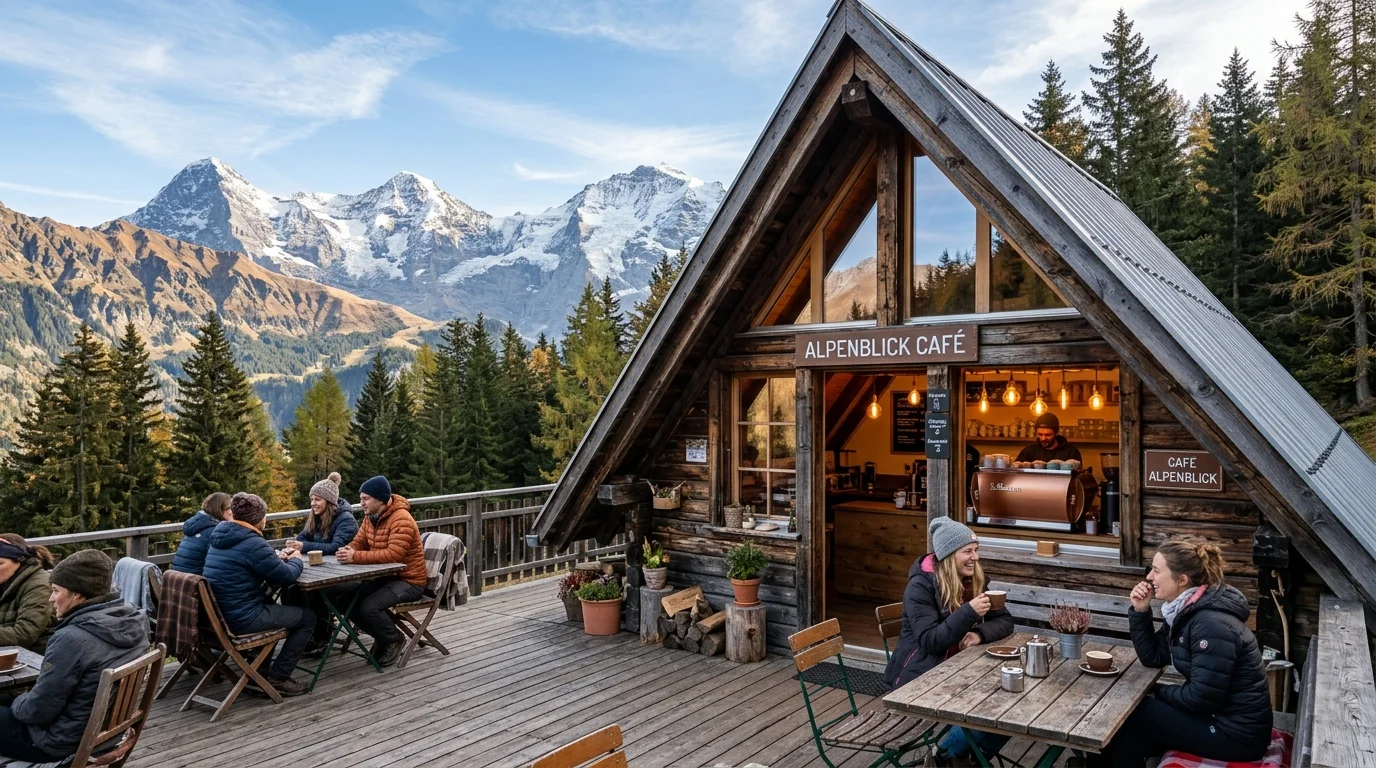
Imagine a crisp, clear morning on a mountain trail, where the air is fresh and the views stretch for miles. As hikers round the final bend, a striking triangular silhouette comes into view. This is the A-Frame mountain café—a small, welcoming haven that draws people in with the promise of warm beverages, hearty snacks, and a place to rest. Whether positioned alongside a popular hiking path, near a bustling ski run, or at a remote scenic viewpoint, the A-Frame cabin offers an unparalleled setting for a boutique food and beverage business. Its iconic shape not only serves as a visual beacon in the wilderness but also creates an intimate, unforgettable atmosphere for patrons.
Operating a mountain café is a dream for many entrepreneurs who want to combine their love for nature with a passion for hospitality. An A-Frame structure elevates this concept by merging stunning architecture with practical functionality. The steep, sloping roof is perfectly designed to shed heavy snow, making it a reliable choice for alpine environments. Inside, the soaring ceilings and large front-facing windows invite the outside world in, allowing guests to enjoy panoramic vistas while staying warm and comfortable.
Why Choose an A-Frame for Your Café?
The A-Frame design is instantly recognisable and universally loved. Its geometric simplicity stands out against natural landscapes while simultaneously complementing them. When hikers or skiers spot an A-Frame in the distance, it evokes a sense of nostalgia, adventure, and comfort. This built-in charm is a powerful marketing tool for your business.
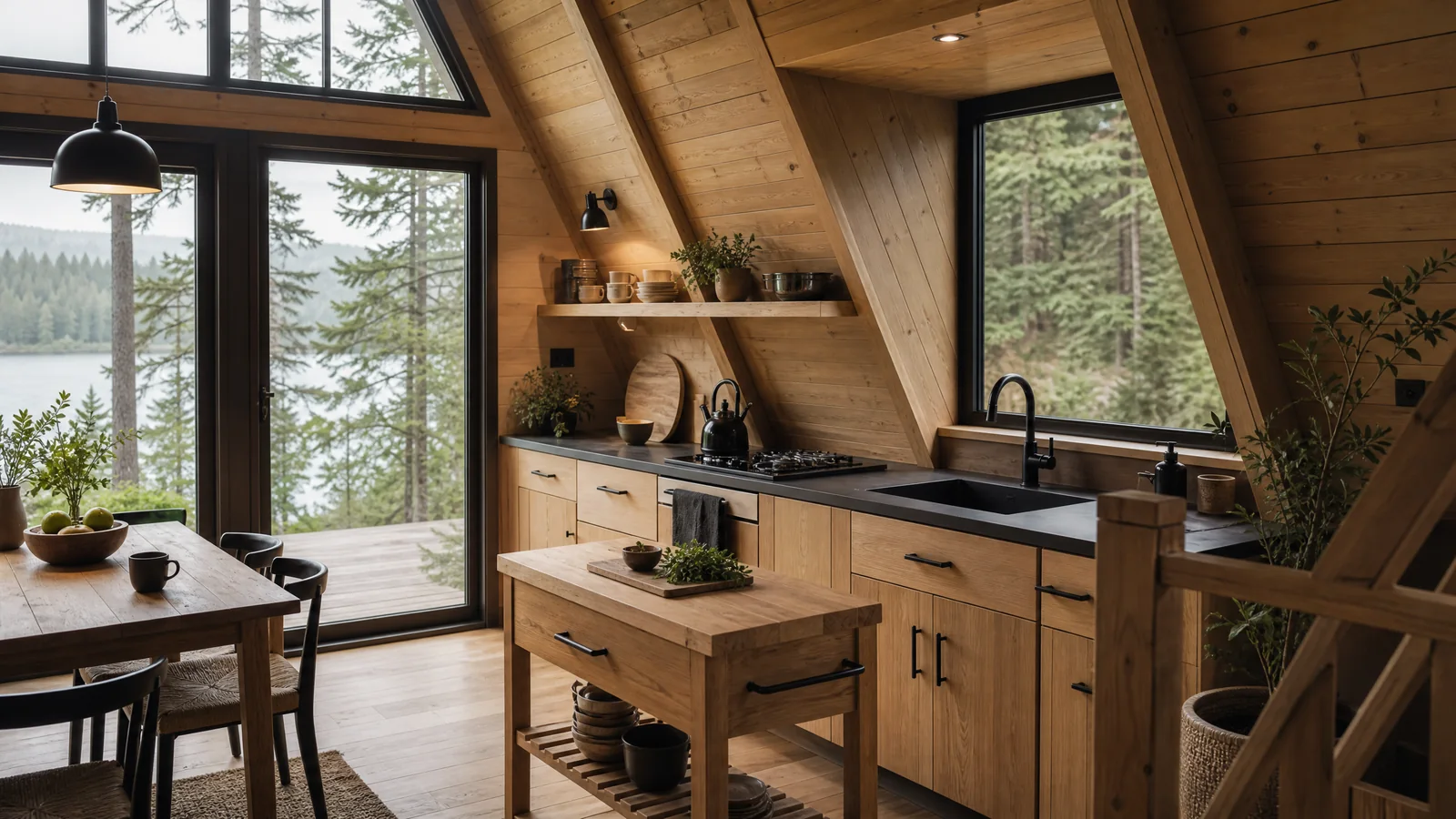 Rustic timber espresso bar counter and barista station in alpine cafe
From a practical standpoint, the A-Frame is highly advantageous for remote locations. The structure has a relatively small footprint, meaning it requires less groundwork and foundation preparation compared to sprawling traditional buildings. This makes it more affordable and significantly faster to build, especially in areas where access is limited or terrain is challenging. The prefabricated nature of many A-Frame kits allows for rapid assembly, ensuring your business can open its doors before the peak tourist season begins. For those considering broader hospitality ventures, this model shares many benefits with a glamping business.
Designing the Spaces
A successful mountain café requires careful spatial planning to maximise both customer experience and operational efficiency. The interior of an A-Frame is naturally cosy, making it ideal for a small-scale operation.
 Panoramic timber window bar seating overlooking breathtaking mountain peaks
The layout should feature a compact, well-designed kitchen situated behind the service counter. This area must be highly functional, allowing staff to prepare food and drinks without feeling cramped. The main floor typically accommodates seating for 8 to 16 guests. Built-in benches along the walls can save space while adding to the rustic aesthetic.
The outdoor terrace is just as important as the interior. In mountain settings, patrons often prefer to sit outside to soak in the sun and the scenery. A large wooden deck, perhaps partially covered by the extending eaves of the A-Frame, can double your seating capacity. Finally, a clean and accessible toilet facility is a must-have for any remote café, providing a much-needed convenience for travelers.
Food-Service Technical Requirements
Running a food-service operation in a remote or semi-remote A-Frame requires strict adherence to technical and safety standards. Even a small menu demands a properly ventilated commercial kitchen to manage heat, steam, and cooking odours.
A dedicated hygiene and washup area is non-negotiable. You must ensure a reliable supply of clean, potable water and a robust wastewater management system, which can be challenging in off-grid or high-altitude locations. If your cooking equipment relies on gas, you must install appropriate fire suppression systems and ensure excellent ventilation. Cold storage is another critical factor; reliable refrigeration is essential for food safety. If you are operating without a stable mains connection, you will need to carefully consider your power setup. Reviewing an A-Frame electrical guide is highly recommended for planning safe and sufficient power for your appliances.
Permits and Licences
Navigating the bureaucracy of permits and licences is a crucial step in launching your mountain café. The specific requirements will vary significantly depending on your region, but you will invariably need a food-service business licence and must pass rigorous health inspections.
Because you are building a commercial space, the structural and zoning requirements will be more stringent than those for a residential cabin. You may need a specific change-of-use permit if you are converting an existing structure or building on land not previously zoned for commercial activity. Always consult with local authorities early in the planning process to understand environmental regulations, waste disposal rules, and building codes specific to alpine or forested areas.
Seasonal Operation and Revenue
Mountain cafés often operate on a highly seasonal basis. Your business plan must account for strong revenue peaks during the summer hiking season and the winter skiing months. The key to financial sustainability is maximising income during these busy periods while carefully managing costs during quieter times.
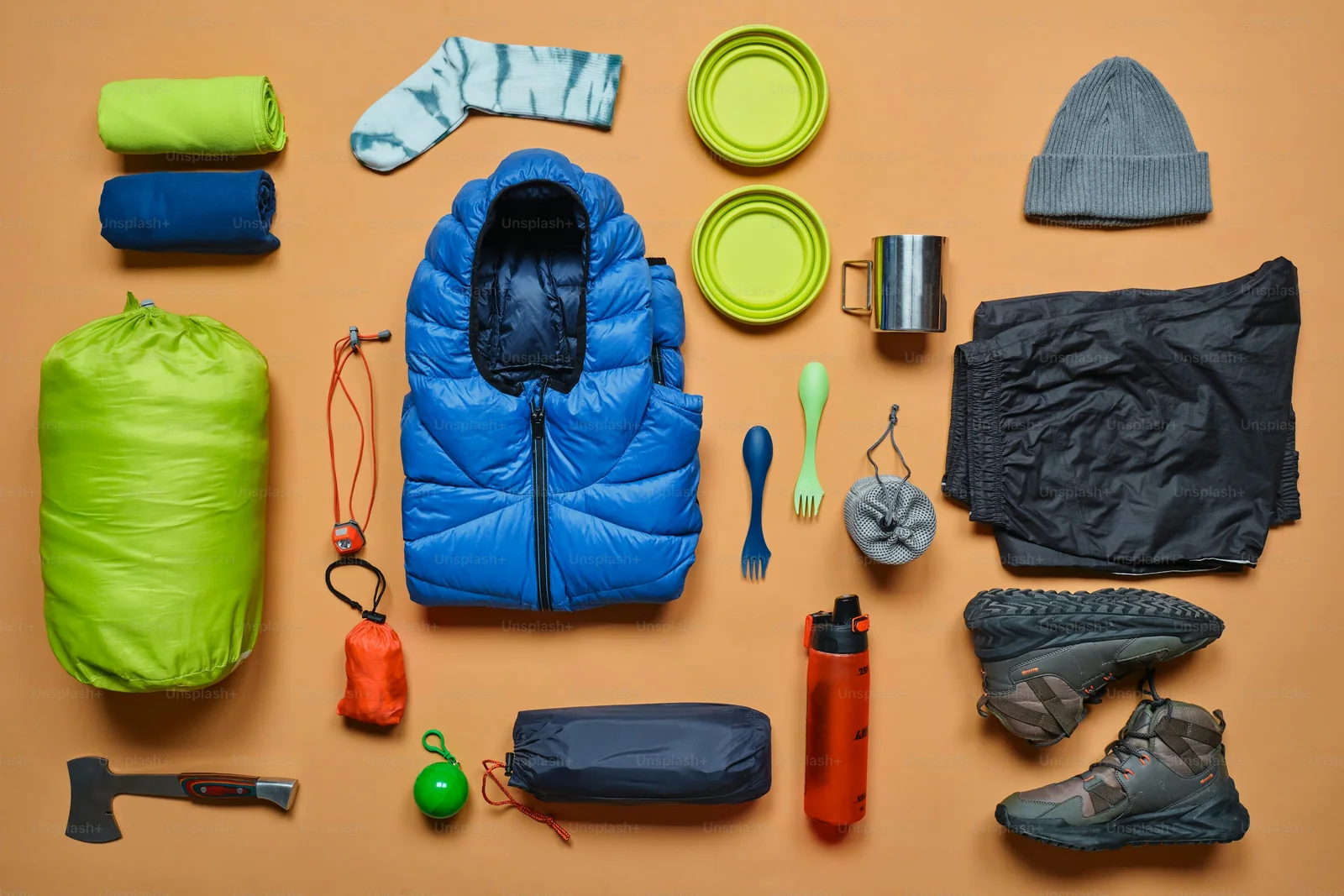
During the shoulder seasons (spring and autumn), consider targeted promotions or hosting special events to draw in locals and dedicated outdoor enthusiasts. Offering high-margin items like branded merchandise—such as mugs, beanies, or trail maps—can provide a steady stream of supplementary income. Additionally, a strong focus on takeaway food and drinks allows you to serve more customers than your seating capacity might otherwise permit, driving up daily revenue. Similar seasonal strategies are often employed in an A-Frame micro resort.
Recommended Configuration
| Feature | Specification |
|---|---|
| Total Interior Area | 25 – 50 m² |
| Seating Capacity | 8 – 16 indoor seats |
| Terrace Size | 15 – 25 m² |
| Kitchen Type | Compact commercial (ventilated) |
| Utilities | High-capacity electrical, water storage |
Estimated Costs
| Expense Category | Estimated Cost (€) |
|---|---|
| A-Frame Structure & Foundation | 15,000 – 30,000 |
| Remote Site Access & Groundwork | 3,000 – 10,000 |
| Commercial Kitchen Fit-Out | 5,000 – 10,000 |
| Utilities & Waste Management | 2,000 – 5,000 |
| Total Base Cost | 25,000 – 55,000 (excl. specific equipment) |
Getting Started
- Check Permits and Licences: Before spending a single euro on construction, verify all zoning laws, environmental regulations, and food-service requirements for your target area.
- Pick the Perfect Site: Look for a location with excellent footfall, whether it is near a popular trail, a scenic overlook, or a busy ski slope. Ensure the site has feasible access for construction and regular supply deliveries.
- Size the Project: Use our calculator to estimate the material requirements and base costs for your desired cabin size.
- Plan the Layout: Design a highly efficient kitchen and a welcoming seating area. Maximise your outdoor terrace space to accommodate peak season crowds.
- Build and Open: Construct the A-Frame, install the necessary equipment, pass your final inspections, and open your doors to the mountain community.
FAQ
What permits do I need to run a mountain café?
You will generally need planning permission for a commercial structure, a food-service business licence, and health department approval. Depending on the location, you may also need environmental permits and approvals for waste and water management.
Can it be off-grid?
Yes, a mountain café can operate off-grid, but it requires substantial investment in robust solar or generator power systems, especially to run refrigeration and coffee machines. You will also need reliable solutions for fresh water delivery and wastewater processing.
How do I extend the season?
To attract customers during quieter shoulder seasons, focus on community events, workshops, or guided nature walks that start and end at the café. Offering a sheltered, heated outdoor area can also make the venue appealing when the weather is less than ideal.
Ready to Build Your Café?
Are you ready to turn your vision of a mountain café into a reality? Start by exploring the costs and sizing options for your A-Frame structure. Use our A-Frame Calculator to get a detailed estimate and begin planning your unique business in the great outdoors today.
A-Frame Property Value: Resale and Return on Investment
Does an A-Frame hold its value? An analysis of the factors driving resale price, rental yield, and long-term return on a triangular house.
Financing an A-Frame Build: Loans, Budgeting and Costs
How to finance an A-Frame: loan types, down payment, contingency reserve, payment phases, and tips for a realistic budget without nasty surprises.
A-Frame Rental Business: Guide to Profitable Vacation Rentals
Learn how to start a profitable A-Frame vacation rental business. Airbnb strategies, glamping equipment, pricing models, and return on investment.