A-Frame Home Gym: Your Private Backyard Workout Space
Why an A-Frame makes a great home gym: high ceiling for functional training, natural light, a load-bearing floor, ventilation, and costs.
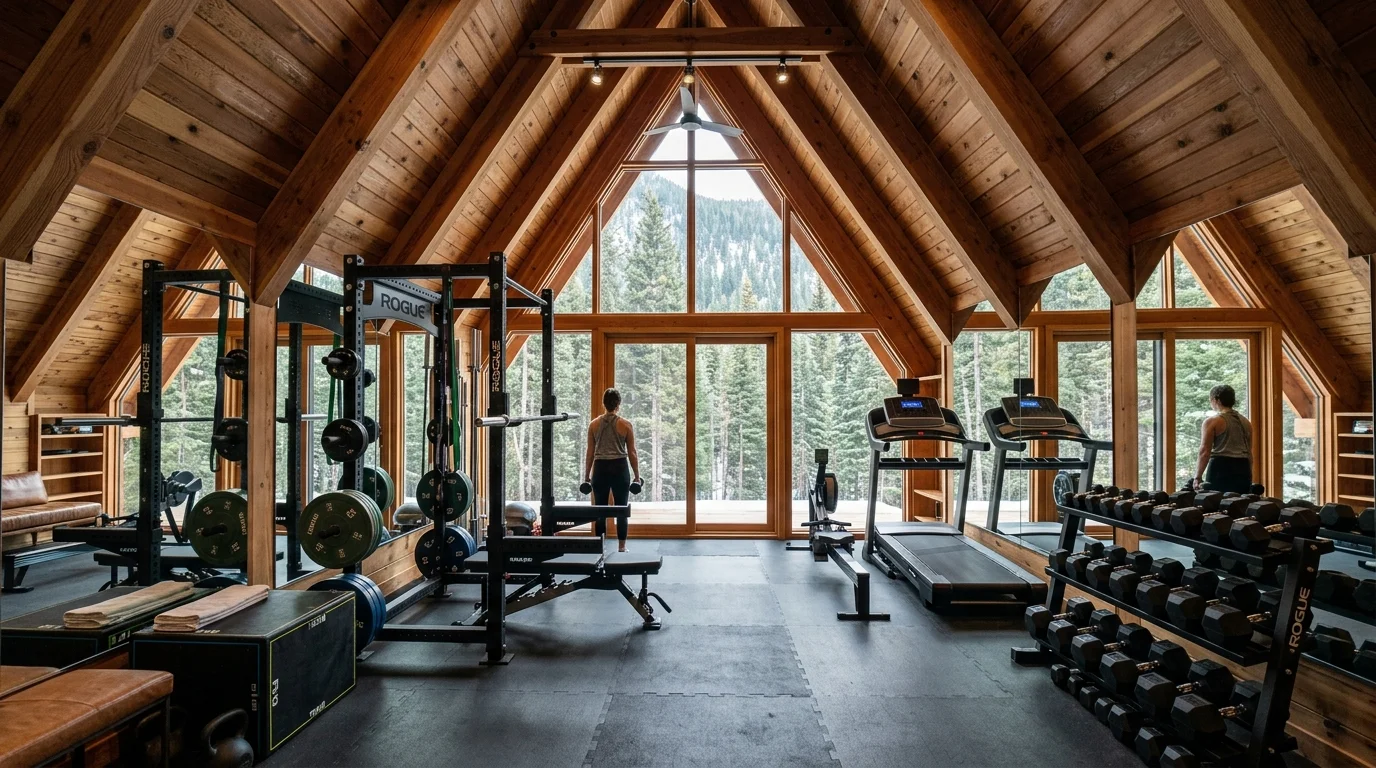
Imagine training a few steps from your back door, in a light-filled space that belongs entirely to you. No commute, no waiting for equipment, no crowded floor or borrowed playlists. A small A-frame in the backyard turns the idea of a home gym into a genuine destination: a standalone building that keeps the noise, sweat, and clutter of workouts out of the house, while giving you the tall, open volume that serious training deserves.
Because it stands apart from the main house, an A-frame gym also draws a clear line between "home" and "training." You walk out, you switch on, you work. That short separation does more for consistency than most people expect.
Why an A-Frame for a home gym
The A-frame's steep roof creates a tall, open interior that suits movement. Overhead presses, pull-ups, rope climbs, gymnastic rings, and jumping variations all need vertical room, and the ridge line gives you that headroom without the cost of a full two-storey building. Functional training feels natural here because nothing crowds the ceiling.
Heavy-duty rubber flooring and weight lifting racks inside timber A-frame gym
The big gable glazing is the second gift. A glazed end wall floods the floor with daylight and opens onto the garden, so you train facing greenery rather than a basement wall. Natural light lifts mood and energy, which matters when the goal is showing up day after day.
Finally, a separate building keeps everything gym-related contained. Chalk dust, dropped weights, loud music, and post-session sweat stay outside the family living space. If you later want a similar standalone unit for guests instead, the same footprint idea carries over to a backyard guest suite.
Designing the space
A gym lives or dies on its floor. Start with a solid subfloor or concrete slab, then lay rubber flooring over it. This protects the structure, absorbs impact from dropped weights, and gives you a stable, grippy surface for lifts. Do not skip the base layer; rubber alone on a weak floor will flex and crack.
Ceiling height is the next priority. Aim for enough clearance that you can press a barbell overhead or jump onto a box without ducking. The A-frame's ridge naturally provides this along the centre line, so plan your heavy movements down the middle of the room.
Add good cross-ventilation and a way to cool the space, because bodies generate a lot of heat fast. Place operable windows or vents on opposite walls, and consider the airflow strategies in the passive cooling guide. Round out the interior with mirrors on one wall, enough power outlets for a treadmill, fans, and a sound system, and a heat source so winter sessions stay comfortable.
Equipment zones
Dividing the floor into clear zones keeps a small building working hard. A simple layout prevents equipment from creeping into your training space.
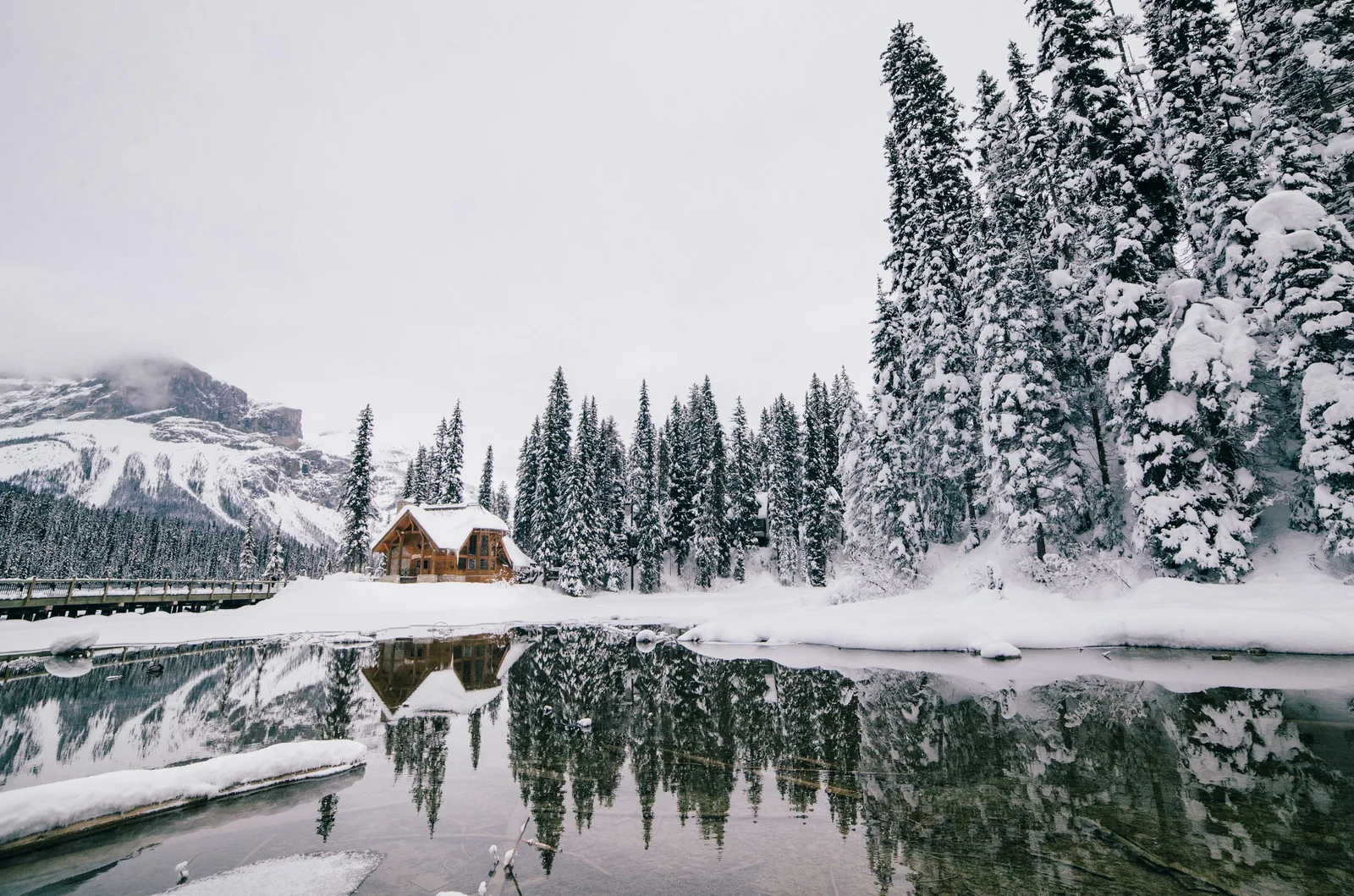 Cardio and stretching workout zone facing scenic forest through glass gable
| Zone | What goes there | Note |
|---|---|---|
| Cardio | Treadmill, rower, or bike | Place near a window for airflow and a view |
| Strength / free weights | Rack, barbell, dumbbells, bench | Position under the ridge for overhead clearance |
| Floor / stretching / yoga | Mat, foam roller, bands | Keep near the mirror wall for form checks |
| Storage | Shelving, wall hooks, weight tree | Line the low eave walls where headroom is limited |
Push tall movements to the centre and store gear along the low side walls, where the sloping roof leaves less standing room anyway.
Recommended configuration
The numbers below suit a private, one-to-two person gym that handles both strength and conditioning without feeling cramped.
| Element | Recommendation |
|---|---|
| Floor area | 15–30 m² |
| Peak height | At least 3.5 m at the ridge for overhead work |
| Flooring | Rubber tiles or rolls over a solid subfloor/slab |
| Ventilation | Cross-ventilation via opposing operable windows or vents |
| Mirrors | One full wall section for form and technique |
| Sound system | Wall-mounted speakers on a dedicated circuit |
Costs
The estimate below covers the building shell for a compact backyard gym. Equipment is a separate budget and varies widely with your goals.
| Item | Estimated cost (€) |
|---|---|
| Foundation / slab | 2,000–4,500 |
| Structure (frame, roof, glazing) | 5,000–11,000 |
| Insulation | 1,500–3,500 |
| Rubber flooring | 1,000–3,000 |
| Electrics (power, lighting) | 1,500–3,500 |
| Ventilation / cooling | 1,000–2,500 |
| Total (excluding equipment) | ≈ €12,000–28,000 |
Choices in cladding, glazing size, and finish level move you along this range. Insulation is where it pays to be generous, since it defines whether the gym is comfortable year-round.
Comfort: climate and floor
A gym needs to shed heat quickly and stay usable in every season. Good cross-ventilation and a way to cool the room prevent that heavy, humid feeling after twenty minutes of effort. In summer, shaded glazing and airflow do most of the work.
For year-round training, insulate the walls and roof well so a modest heater keeps winter sessions comfortable without huge energy bills. The principles in this insulation and energy article apply directly. Underneath it all, a durable protective floor takes the daily punishment of dropped weights and heavy footfall; the flooring guide walks through the build-up that lasts.
Getting Started
- Define your training: decide whether you lift heavy, do conditioning, practice yoga, or mix everything, since this sets the space and floor requirements.
- Size it in the calculator: use the A-Frame Planner to test a 15–30 m² footprint and confirm your ridge height allows overhead movements.
- Plan power and ventilation: mark outlet positions for cardio gear and a sound system, and place opposing vents for airflow.
- Pour a solid floor: lay a concrete slab or robust subfloor sized for heavy point loads before anything else goes in.
- Build the shell: erect the frame, glaze the gable, and insulate for year-round comfort.
- Kit it out: add rubber flooring, mirrors, storage, and your equipment zone by zone.
FAQ
How big should a home gym A-Frame be?
For one or two people training with a rack, some cardio, and floor space, 15–30 m² works well. Around 20 m² is a comfortable sweet spot: room for a lifting zone, a cardio corner, and open mat space without wasted footprint. Prioritise ridge height as much as floor area, since overhead movements need vertical room.
Can the floor take heavy weights?
Yes, with the right build-up. A concrete slab or a solid, well-supported subfloor handles the point loads from a loaded rack and dropped weights. Rubber flooring on top absorbs impact and protects both the structure and your equipment. Avoid placing heavy racks on an unsupported timber floor without reinforcement.
Can I use it year-round?
Absolutely. Insulate the walls and roof, add cross-ventilation and a cooling option for summer, and fit a compact heater for winter. A well-insulated A-frame stays comfortable in every season on modest energy use, so your training never pauses for the weather.
Ready to plan your backyard gym?
A private training space in the garden is closer than you think. Start by sketching the size, ridge height, and glazing that fit your workouts. Open the A-Frame Planner to shape your home gym and see how the numbers come together before you talk to a builder.
The Low-Barrier A-Frame Retreat
A useful A-frame solution begins with a real weekend scenario, not a theme. Imagine guests with different energy, balance and mobility needs sharing a compact weekend cabin. The cabin has…
A Compact A-Frame Kitchen Guide
A good A-frame guide starts with observation, not a universal prescription. Consider two people preparing breakfast while one person washes up in a narrow cabin kitchen. The cabin’s…
The Creative Studio A-Frame Retreat
A useful A-frame solution begins with a real weekend scenario, not a theme. Imagine a writer, painter or maker beginning work before the cabin becomes a shared living room. The cabin has to…