An A-Frame Acoustics Guide
A good A-frame guide starts with observation, not a universal prescription. Consider a lively dinner turning into an exhausting conversation under an open roof volume. The cabin’s location…
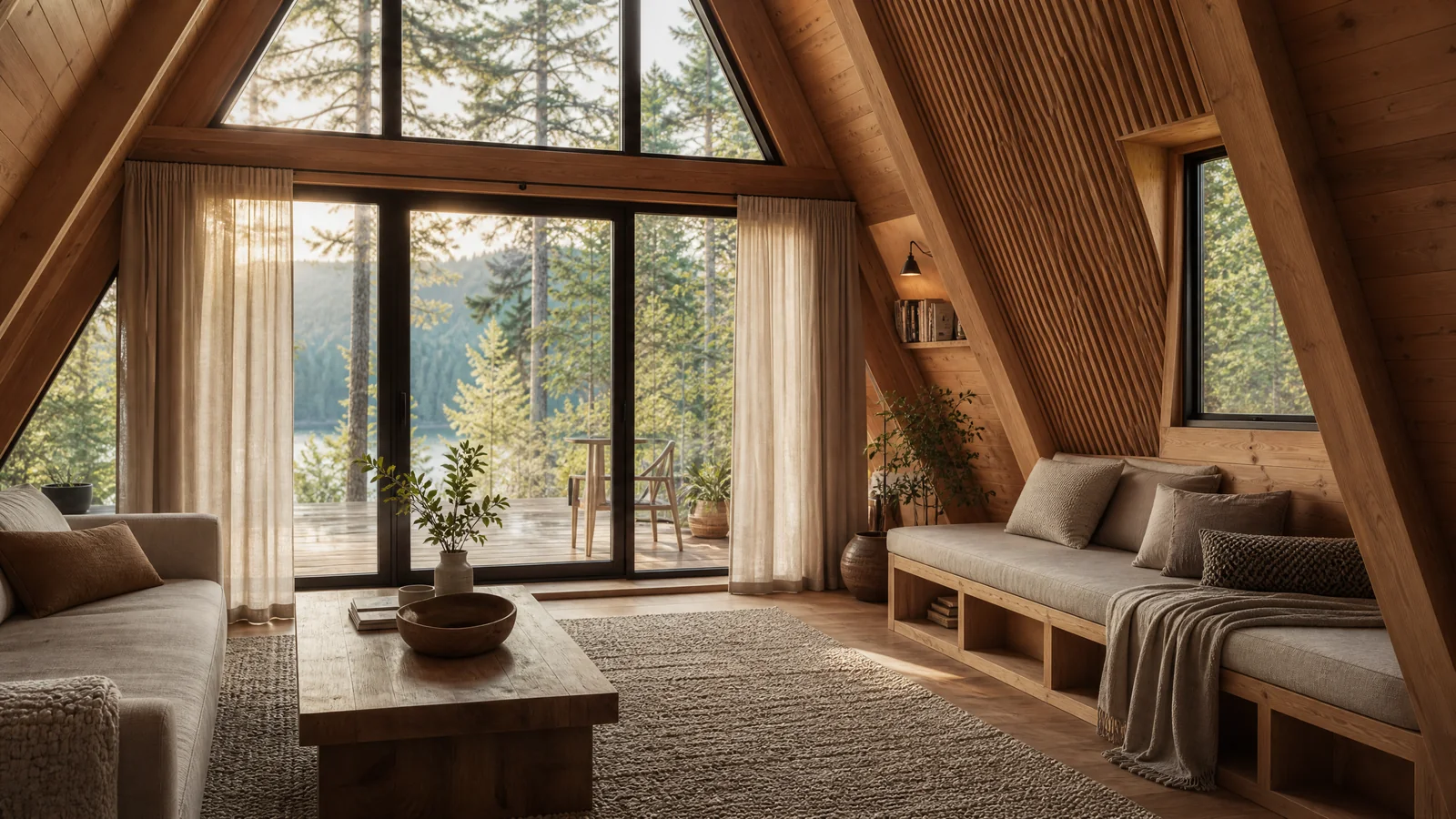
A good A-frame guide starts with observation, not a universal prescription. Consider a lively dinner turning into an exhausting conversation under an open roof volume. The cabin’s location, weather, materials and pattern of use all matter, so the goal is to identify sensible priorities before selecting products or committing to construction work.
This guide offers a practical way to think through the issue. It is not a substitute for local design, safety, environmental or building advice. Use it to ask better questions, test everyday routines and decide what deserves professional attention first.
Observe the existing pattern
Start by watching a lively dinner turning into an exhausting conversation under an open roof volume. Record what happens during a normal visit: where discomfort begins, what changes with weather, which areas stay calm and which tasks create repeated work. A notebook, a few photographs and a walk around the cabin in ordinary conditions are often more valuable than an immediate shopping list.
Do not assume that a similar A-frame elsewhere has the same needs. Orientation, local climate, site exposure and occupancy can change the right solution. Observation gives every later choice a clear reason.
Set a useful priority
For this guide, focus first on soft floor and window treatments, absorbent surfaces, separated activity zones and thoughtful speaker placement. A priority should be specific enough to test and modest enough to explain. It might involve a route, a surface, a ventilation habit, a planted edge or an item of storage. When one priority is clear, the rest of the plan becomes easier to sequence.
Put safety and basic comfort before visual upgrades. If an issue involves moisture, heat, fire exposure, accessibility, drainage or structural work, bring in an appropriately qualified local professional rather than relying on a generic online recommendation.
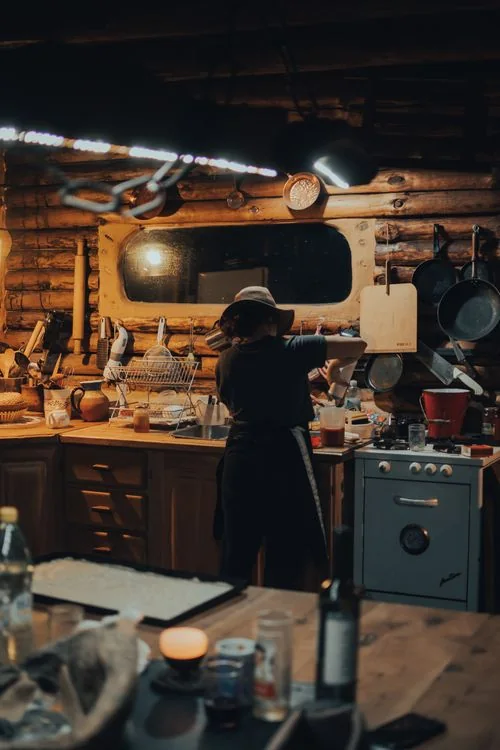 A practical A-frame detail related to careful cabin planning
Make the routine visible
A useful operating habit is to use one quiet hour to listen for reflection points before adding more furniture. Good design and good routine support each other. The design should make the better choice easy to see; the routine should reveal when the design is failing.
Keep the habit small. A short checklist at arrival, a seasonal inspection, a regular reset or a simple observation after a weather event can prevent minor issues from becoming accepted as normal. If a routine requires too much effort, change the setup rather than blaming the people using it.
| Question | What to observe | Productive next move |
|---|---|---|
| Where does the problem begin? | The first sign of discomfort or conflict | Address the cause before covering the symptom. |
| What changes with weather or use? | Timing, direction, moisture, noise or traffic | Compare observations across more than one visit. |
| What can be tested first? | A reversible change | Try it before making a permanent purchase. |
| When is expert advice needed? | Site-specific, safety or technical work | Consult a qualified local professional. |
Choose a reversible first move
Before a major intervention, use a reversible test: move a fan, shade a window temporarily, mark a circulation route, change storage, adjust a cleaning routine or observe water after rain. Reversible tests make it easier to separate a promising idea from an attractive assumption.
The common trap is trying to solve every echo with a single decorative panel. A small trial is not a delay; it is evidence. It can prevent a permanent change from solving the wrong problem.
Coordinate the whole cabin
A-frame systems are connected. A change near an entry can affect cleaning and storage. A new shade element can affect daylight and airflow. A landscaped edge can affect views, runoff and maintenance. Consider who will use the cabin, how often they visit and what maintenance they can realistically continue.
Make decisions that are legible to future guests and future owners. Clear labels, simple access and maintenance notes are more durable than a complex setup that only one person understands.
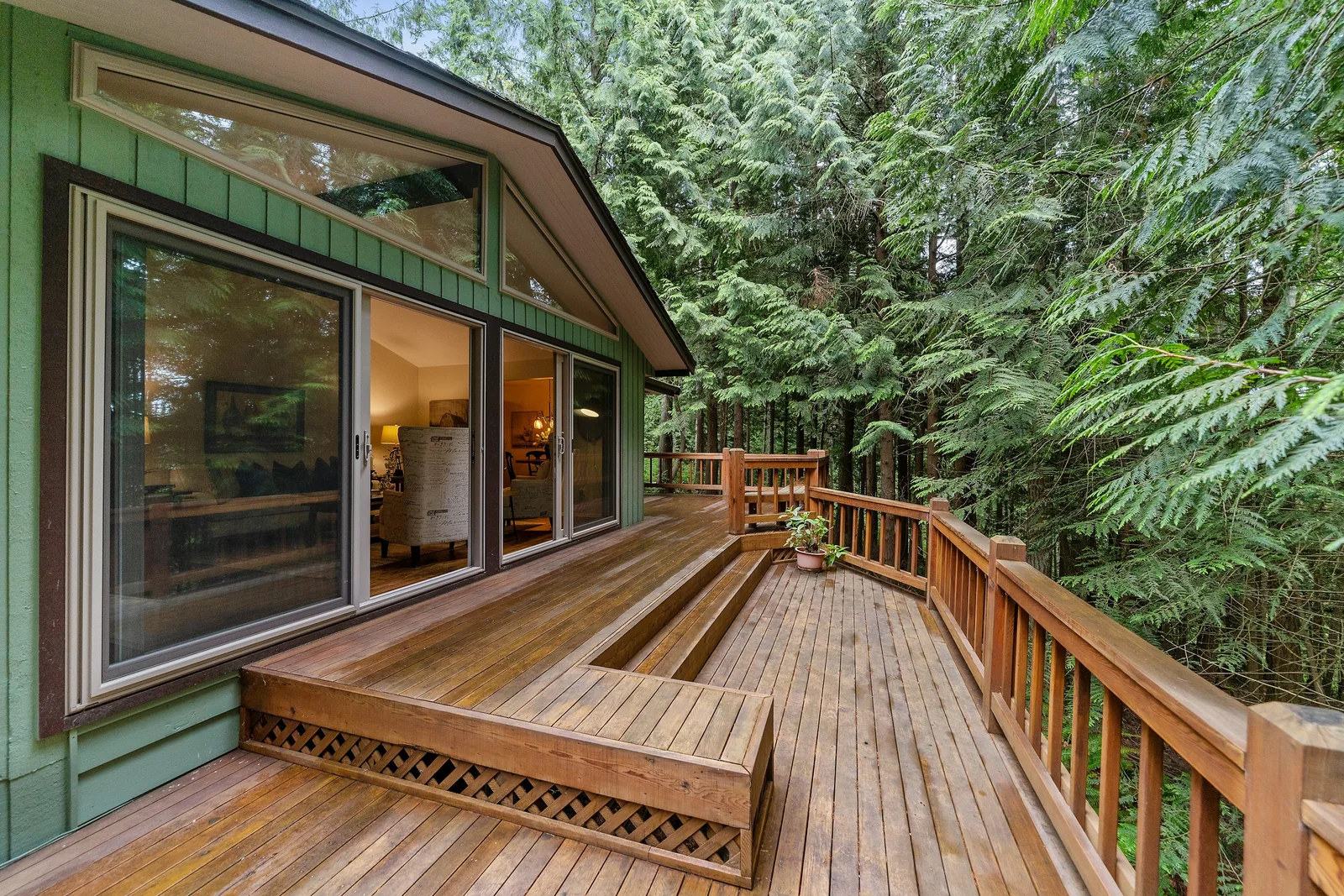 An A-frame cabin zone designed for practical everyday care
Review after real use
Plan to revisit the decision after ordinary use, not just after installation. Ask whether the cabin is easier to operate, whether the original problem has changed and whether the routine is still manageable in a busy week or a different season.
For this topic, the most valuable field test is to clap, talk and play ordinary music in the empty and furnished room, then compare the result. Use the result to choose the next small improvement rather than trying to finish every decision at once.
First next step
Write one clear question about the issue, observe it during the next visit and test one reversible response. Keep the notes with the cabin plan. Over time, these small observations create a far more reliable design brief than assumptions made from a screen.
Smart A-Frame Home: Automation and IoT for Your Cabin
How to fit an A-Frame with smart systems: remote heating, security, humidity sensors, and energy monitoring for a home that isn't used every day.
The Dog-Friendly A-Frame Retreat
A useful A-frame solution begins with a real weekend scenario, not a theme. Imagine a dog coming inside with wet paws while people are unloading for the weekend. The cabin has to make that…
The Gear Wall That Saves Your Weekend
A weekend cabin is at its best when an ordinary moment becomes easier to enjoy. For this topic, that moment is a wet jacket, boots and a daypack arriving at the same time as groceries. It…