The Multigenerational Weekend A-Frame
A useful A-frame solution begins with a real weekend scenario, not a theme. Imagine children, adults and older relatives sharing a compact cabin with different rhythms and needs. The cabin…
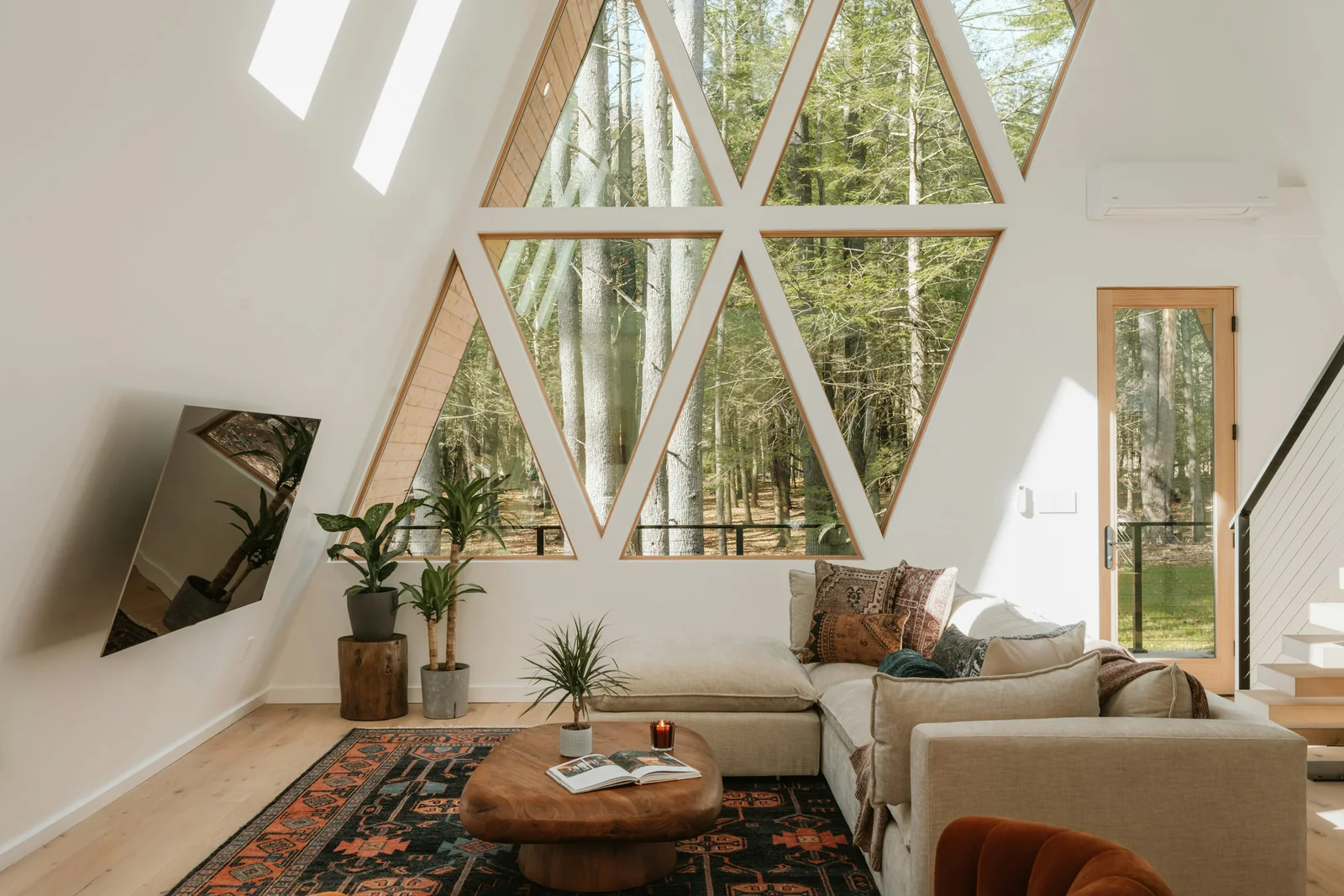
A useful A-frame solution begins with a real weekend scenario, not a theme. Imagine children, adults and older relatives sharing a compact cabin with different rhythms and needs. The cabin has to make that moment workable without turning every wall into storage or every shared surface into a task list.
This concept organizes the cabin around a clear sequence: arrive, settle, use the space, reset and leave it ready for the next day. It can be adapted to a new build or tested in an existing cabin with small, reversible changes.
Define the people and the pace
The first design decision is who is using the cabin and what they need during the busiest moment. Some people need a quiet first hour; others need room for equipment, food, work or children. Make that rhythm visible before selecting furniture.
For this scenario, start with children, adults and older relatives sharing a compact cabin with different rhythms and needs. It identifies the real pressure point and prevents the layout from becoming a generic A-frame interior. The best solution is not the most elaborate one; it is the one that removes the repeated obstacle.
Build the arrival-to-reset route
Create a route that leads from the outside or first task toward the calmest part of the cabin. Give each stage one job: a landing point, a place to sit or sort, a storage zone and a clear path into the living area. The route should still work when more than one person uses it.
The key physical ingredients are a generous shared table, a calm main-level rest option, quieter corners and clear routes through busy times. Keep them easy to clean, easy to understand and close to the moment they serve. In a compact A-frame, a defined boundary is often more useful than a larger room.
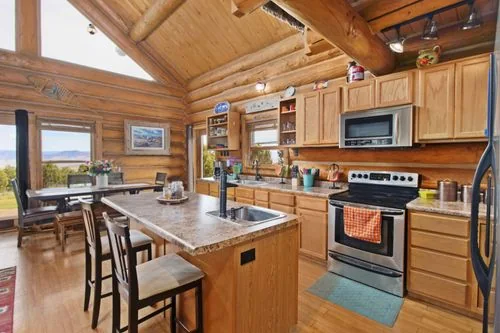 A practical A-frame zone supporting this cabin-use scenario
Separate active and calm zones
Every cabin needs a place for activity and a place for recovery. The active zone handles unpacking, wet or messy items, preparation and storage. The calm zone supports meals, rest, conversation or focused work. They can share one room, but they should not compete for the same small surface.
Use sightlines and simple storage to preserve this distinction. A basket, rail, bench, screen, rug or shelf can signal a transition without closing off the volume. The goal is to make the next action easy rather than to create perfect visual separation.
| Stage of the visit | What the space should support | A simple design response |
|---|---|---|
| Arrival | Carrying, unloading and finding essentials | A visible landing point and a clear route. |
| Main activity | The reason for the stay | One prepared zone with nearby storage. |
| Shared time | Meals, rest or conversation | A surface and seats free of active equipment. |
| Reset | Drying, putting away and planning tomorrow | Easy-to-reach return locations and a short checklist. |
Make the everyday routine easy
For this scenario, the reset routine is to use a brief morning and evening reset so common spaces serve everyone. It should take only a few minutes and should not depend on one person remembering every detail. Hooks, trays, labels and open shelves work well when they reflect what is actually carried and used.
A clear routine also protects the cabin’s mood. When the active task is contained, the rest of the weekend can feel less like setting up camp and more like being present in the place.
Avoid the predictable compromise
The common compromise is assuming one open room automatically works for every age and schedule. It usually appears when the solution is designed for a photograph or a single ideal weekend. Real use includes rain, fatigue, guests, changing seasons and the extra items everyone brings.
Design for those ordinary conditions. Choose durable surfaces, allow a little spare capacity and keep the most important route unobstructed. A simple arrangement that works in imperfect conditions is more valuable than a clever arrangement that works only when the cabin is empty.
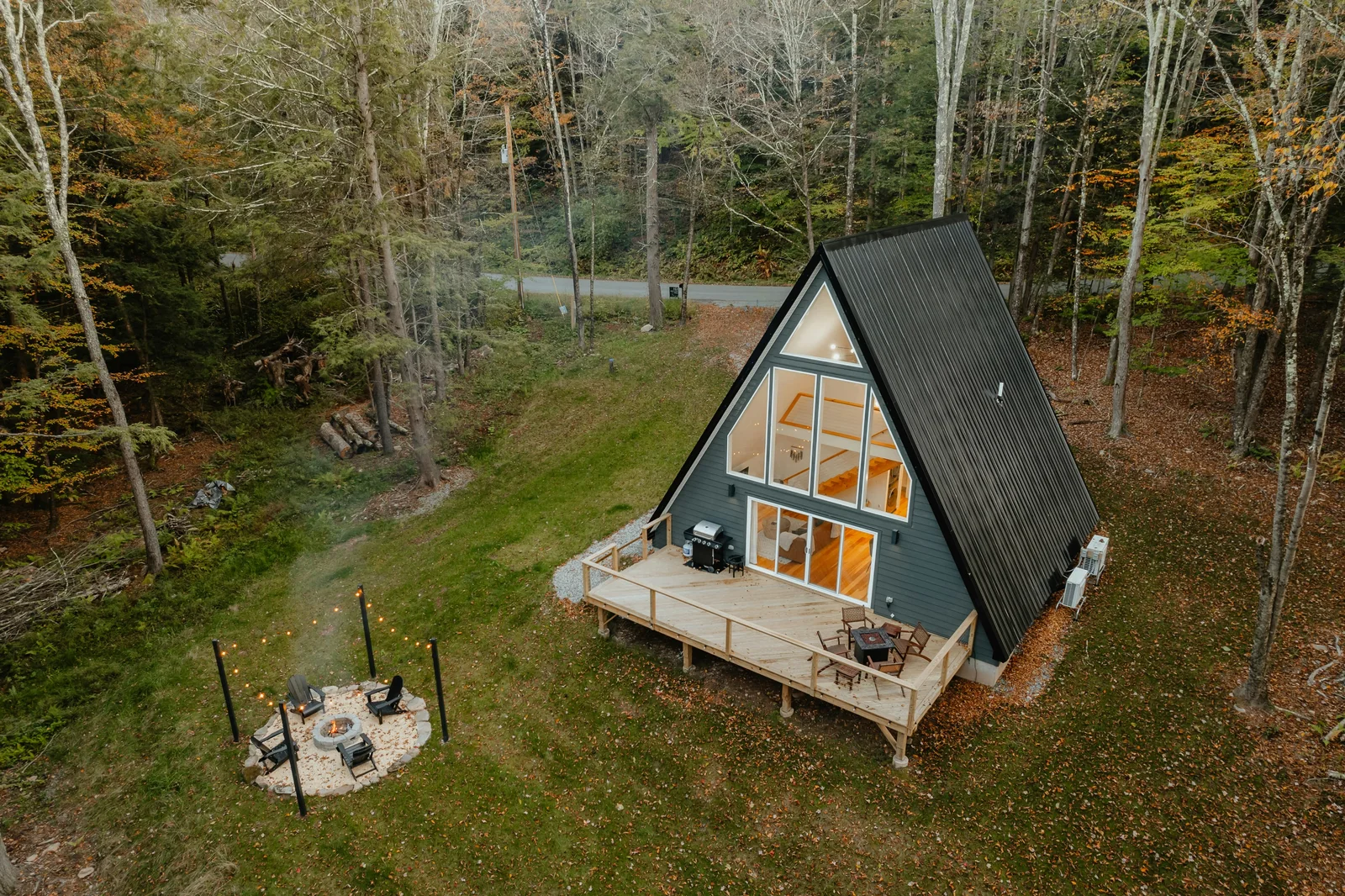 A calm A-frame interior prepared for a practical weekend reset
Test before committing
The most useful trial is to host one mixed-age meal and note where seating, noise and circulation need adjustment. Use temporary hooks, tape, boxes, movable furniture or a simple written checklist. Ask every user what felt intuitive and what created an unnecessary detour.
Keep the changes that reduce friction and remove the rest. This makes the final design more personal and more resilient because it is based on a real weekend rather than an imagined one.
First next step
Choose one busy moment from the next visit and map it from beginning to end. Give every object in that moment a temporary home, then review the route before bed. The one place where people hesitate, stack things or step around each other is the first part of this A-frame solution to improve.
The Low-Barrier A-Frame Retreat
A useful A-frame solution begins with a real weekend scenario, not a theme. Imagine guests with different energy, balance and mobility needs sharing a compact weekend cabin. The cabin has…
A Compact A-Frame Kitchen Guide
A good A-frame guide starts with observation, not a universal prescription. Consider two people preparing breakfast while one person washes up in a narrow cabin kitchen. The cabin’s…
The Creative Studio A-Frame Retreat
A useful A-frame solution begins with a real weekend scenario, not a theme. Imagine a writer, painter or maker beginning work before the cabin becomes a shared living room. The cabin has to…